This article was written by Arnelle Konde, MPH, CHES.
For many years, COPD was seen as a "man's disease", but that may not be the truth.1 Every day, more women are getting diagnosed with COPD, and the numbers keep going up.2 New studies are showing that more women than men have COPD.2
During National Women's Health Week, we are sharing how women may have a different experience with COPD than men. Women may have different symptoms and provider interactions. They face unique challenges, and their voices matter. We are also highlighting three COPD Foundation Captains, who are working to bring change and to raise awareness.
COPD In Women
COPD can affect women in different ways than men. Women have smaller lungs and narrower airways, which can make them more sensitive to smoke and air pollution.1,3 Hormones may also play a role. Estrogen may make the lungs more sensitive to damage from pollutants.1 As a result, female smokers are more at risk for airflow obstruction than men.3,4 However, many women who develop COPD have never smoked. In these cases, their risk is linked to secondhand smoke, indoor air pollutants like cleaning products, or family history.3
There is also a noticeable gap in diagnosis. Women are often diagnosed later than men. Sometimes their symptoms are not taken seriously, or they are told they have asthma or anxiety instead.5,6 These delays can lead to a worse quality of life over time. Additionally, women with COPD tend to experience exacerbations more often than men, which can make daily life harder.3 Together, these differences highlight the need for increased awareness and earlier detection of COPD in women.
Voices of Advocacy: Meet the Captains
To center real experiences, we spoke to three of our advocacy captains about their journey and how COPD has shaped their lives.
Tina Moyer, Pennsylvania Captain
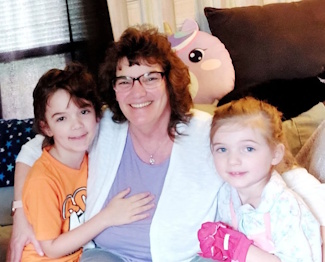 A dedicated advocate, Tina has faced the challenges of COPD while continuing to support her husband and stay in the workforce. Her first symptoms began while she was working in a clothing factory, when she noticed she was getting short of breath doing daily activities like bathing, lying down, and even singing along with her MP3 player. Around this time, she was also caring for her husband after he became disabled in 2008.
She says the hardest parts have been fatigue and depression. “We lose a lot of who we were and what we were able to do. It diminishes one's quality of life.”
Tina was diagnosed in 2010, a year after her son helped her quit smoking. While she acknowledges her past as a smoker, she notes that "blame isn't going to change what happened." Quitting smoking, she adds, helped her slow the progression of her COPD.
She credits pulmonary rehabilitation as a major turning point. "I learned a lot of breathing techniques to get me through some of those days with shortness of breath," she explains. Tina wants other women with COPD to know that "COPD is not a death sentence. But there are also other comorbidities that can go hand in hand like depression, anxiety, and heart disease. People need to understand having COPD we can deal with a lot of the other comorbidities that go along with it. They need to inform themselves to have a better understanding what we go through living with a COPD diagnosis."
After finding community through the COPD Foundation, Tina realized she was not alone and that her voice could help others. She encourages others to let go of self-blame and focus on what they can do to take back control of their lives and future.
The one question Tina urges women to ask their doctor? "What can I do right now to keep my quality of life?"
Caroline Gainer, West Virginia Captain
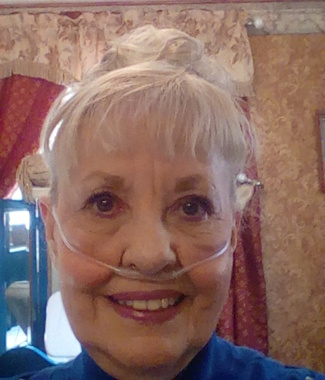
Caroline spent many years balancing a full and demanding life before her COPD diagnosis. At the time her symptoms began, she was a full-time teacher, working on her master's degree, and taking care of her home and family. When she first sought medical help, she recalls being handed "a handful of pills" and told to come back in two weeks. It was clear that her concerns were not fully understood in that moment.
Looking back, Caroline has learned that COPD can affect women differently than men. "Women often have more symptoms than men with the same degree of COPD," she explains, something she wishes more people knew.
Like many women, Caroline tried to keep up with her daily responsibilities despite her health challenges. Eventually, that became too difficult. At 72, her doctor strongly encouraged her to leave the workforce to focus on her health.
Caroline found a sense of purpose and connection after joining the COPD Foundation. Through that community she was inspired to give back and support others facing similar challenges. Her journey is a reminder that even during difficult times, it is possible to find strength and help others feel less alone.
Susan Bance, Wisconsin Captain
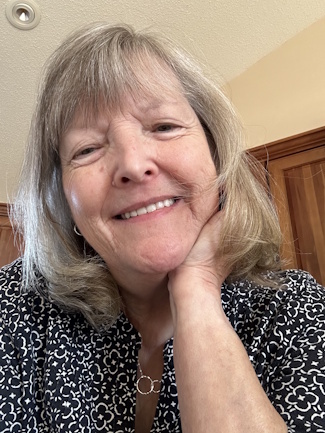
Susan's journey with COPD began with symptoms that didn't immediately point to lung disease. Early on, she had anxiety, trouble sleeping, and constant worry. While her doctors treated these symptoms with medication, they didn't connect them with COPD at the time.
Susan was diagnosed with COPD around 2007-2008, but says she was not given much information beyond being told to quit smoking. It wasn't until she later developed lung cancer that her COPD received more attention, as her symptoms worsened.
Through her experience, Susan has learned that COPD can affect women differently, and often more aggressively.
"It can show up sooner and be more severe in women," she explains, noting "smaller lungs, narrower airways, and a higher likelihood of flare-ups, along with anxiety, depression, and other health concerns."
At home, she manages her energy by pacing herself, doing what she can, resting when needed, and taking stairs slowly. Support from her spouse helps on more difficult days, allowing her to stay active and independent.
Her turning point came after cancer surgery, when she struggled with constant breathing issues and found there was little guidance available. Through working with her pulmonologist and organizations like the COPD Foundation and American Lung Association, Susan began to find answers and community. She joined a Better Breathers group during COVID-19 that connected her with other advocates and inspired her to speak up. She now serves as a Captain and continues to advocate for others living with COPD.
What advice would she give other women? "Get checked for the alpha-1 gene. Make sure they are looking for things that affect women differently. Make sure they are taking care of your overall health. My doctor found issues twice because she listened to my concerns and how I felt. Be your own advocate!"
Together, their voices highlight not only the challenges of COPD in women, but also the strength, resilience, and advocacy that drives change.
References:
- DeMeo DL, Ramagopalan S, Kavati A, et al. Women manifest more severe COPD symptoms across the life course. Int J Chron Obstruct Pulmon Dis. 2018;13:3021-3029. Published 2018 Oct 1. doi:10.2147/COPD.S160270
- Weeks J, Elgaddal N. Chronic obstructive pulmonary disease among adults aged 18 years and older: United States, 2023. Published online May 22, 2025. doi:10.15620/cdc/174596
- Zysman M, Raherison-Semjen C. Women's COPD. Front Med (Lausanne). 2022;8:600107. Published 2022 Jan 3. doi:10.3389/fmed.2021.600107
- Amaral AFS, Strachan DP, Burney PGJ, Jarvis DL. Female Smokers Are at Greater Risk of Airflow Obstruction Than Male Smokers. UK Biobank. Am J Respir Crit Care Med. 2017;195(9):1226-1235. doi: 10.1164/rccm.201608-1545OC
- Chapman KR, Tashkin DP, Pye DJ. Gender bias in the diagnosis of COPD. Chest. 2001;119(6):1691-1695. doi: 10.1378/chest.119.6.1691
- Sodhi A, Pisani M, Glassberg MK, Bourjeily G, D'Ambrosio C. Sex and Gender in Lung Disease and Sleep Disorders: A State-of-the-Art Review. Chest. 2022;162(3):647-658. doi: 10.1016/j.chest.2022.03.006