This post was written by Arnelle Konde, MPH, CHES.
Caregiving is more than a list of tasks – it's a profound shift in love. We spoke with a longtime advocate about her journey caring for her father through COPD. From navigating the emotional weight of role reversals to finding meaning in the hardest days, she shares what it really looks like to walk the path of a family caregiver.
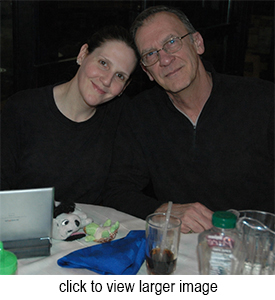
Karen Anzalone serves as the New York State Captain for the COPD Foundation. Her role is driven by a very personal mission. In 2010, she lost her father, John Ferrara Jr., to COPD. After his death, Karen turned her grief into a lifelong commitment to advocacy for people with COPD. Karen’s work spans from local community outreach to meetings with lawmakers. One of her biggest successes was helping bring her representative, U.S. Congressman Steve Israel, into the Congressional COPD Caucus. By connecting care with public policy, Karen keeps her father’s memory alive through her advocacy.
Caregiving can create a different kind of closeness. What did closeness look like between you and your dad during that time?
Caregiving created a deeper closeness between my dad and me. When he was diagnosed, he was devastated since he lost his own father to COPD. I knew immediately that I needed to step in and become his primary caregiver.
Our relationship grew stronger because of this. I assumed a role which revolved around his daily routines, doctor appointments, and continued encouragement every day. We spoke on the phone multiple times a day, and this bond developed into a stronger level of trust and confidence. Our relationship evolved to a different level. My dad relied on me for everything, and that trust brought us closer together. There was a side of vulnerability that I had never seen from him, even during stressful times and exacerbations, we felt connected. It became a relationship guided by patience and a respect that grew stronger through his care.
What was most challenging about caring for him? What was most meaningful?
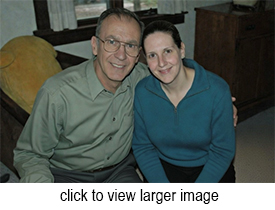
The most challenging part of caring for him with COPD in the beginning was his inability to communicate his feelings. He seemed to just accept his diagnosis and not want to search for any type of treatment or education about his COPD. Seeing my father short of breath and not being able to “fix” it as his caregiver made me feel helpless and scared at the same time. There were also the constant vigilance and monitoring of his symptoms, managing medications and adjusting plans based on how he was feeling that day.
The most meaningful thing was the time we shared together. Eventually my dad’s communication about his COPD increased, and he began to share his feelings, strengths and fears of living with COPD. With me being the person he depended on, it further deepened our bond, and it’s something that I will always cherish.
How did you navigate the emotional side of caring for a parent, especially when the roles start to reverse?
Navigating the emotional side of caregiving is something that was complex. It required me to set realistic expectations for myself and understand that perfection isn’t possible. As a caregiver, many things came to mind. “Am I doing enough”? “Should I be handling this differently?” Then, there is the guilt and always second guessing if I was doing the right things or enough for him. As the dynamics shifted, the relationship changed and I found an unexpected closeness and a deeper connection to my father.
Were there moments that deepened your bond, even in the midst of the challenges?
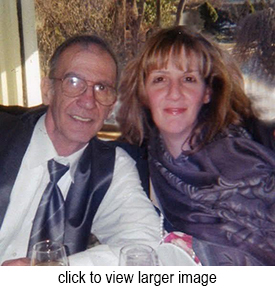
As a caregiver for my dad and during the many challenges we faced together, his illness opened doors for honest and heartfelt conversations. We discussed his childhood memories, and he shared his life experiences of serving in the military and his life’s regrets. These special moments we discussed further deepened the bond that we shared together.
How has your understanding of love and connection changed since caring for your father?
My understanding of love and connection has dramatically changed since being my dad’s caregiver. I believe that caring for my dad with COPD further expands my own level of empathy. It allowed me to be more aware of the fact that individuals may be dealing with their own battles which others might not see. It has changed my perspective as an individual.
What message would you share with other family caregivers?
My message to other caregiver is: make sure you take care of yourself as well. There may be times that you neglect your own health or needs, and this could potentially lead to caregiver burnout. It is necessary for your own wellbeing, and it helps improve the level of care for your loved one. If someone offers help, allow them as this gives you a much-needed break. This is not always an easy thing to do as a caregiver. Just remember that to help your loved one, you must help yourself.